

What Summer Fertilization Does for Your Lawn in Middle Georgia
Summer is the most demanding season a warm-season lawn faces. In Middle Georgia, June and July bring sustained heat, periods of drought interrupted by heavy rain, and the kind of humidity that stresses turf in ways that are not always visible until damage has already set in. A lawn that enters this period without adequate nutritional support is working against itself at exactly the moment it needs the most resources.
Fertilization in June and July is not about pushing aggressive growth. It is about equipping turf with what it needs to stay dense, maintain root strength, and recover from the stress that summer consistently delivers.
Why Summer Fertilization Is Different From Spring
Spring fertilization is about waking a lawn up. After winter dormancy, warm-season grasses like Bermuda, Zoysia, and Centipede are rebuilding their root systems and pushing new growth. The nutritional demand during green-up is high, and spring treatments are designed to support that transition.
By June and July, a healthy lawn is no longer in recovery mode. It is in full growth and under full stress simultaneously. Heat pushes photosynthesis to its limits. Extended dry periods force the plant to draw on stored resources. Foot traffic, mowing, and pest pressure all compound during the same window. Summer fertilization addresses a different set of demands than spring, and the nutrient blend used reflects that.
What the Summer Treatment Contains and Why It Matters
Turf Magic's June and July treatment applies a nutrient-rich fertilizer containing nitrogen, phosphorus, potassium, and iron. Each component serves a specific function during the peak growing season.
Nitrogen is the primary driver of growth, color, and density. During summer, warm-season grasses have the metabolic capacity to use nitrogen efficiently, and consistent nitrogen availability keeps turf thick enough to crowd out weeds and recover from damage. Without adequate nitrogen in summer, lawns thin, color fades, and the turf loses the density that protects it against heat and pest pressure.
Phosphorus supports root development. This matters in summer because a deeper, more developed root system gives the plant access to soil moisture that surface roots cannot reach during dry periods. Lawns with strong root systems tolerate drought stress more effectively and bounce back faster when rain returns.
Potassium builds stress tolerance. It regulates water movement within the plant, strengthens cell walls, and improves the turf's ability to withstand temperature extremes, drought, and disease pressure. Think of potassium as the nutrient that determines how well the lawn handles adversity rather than how fast it grows. In Middle Georgia summers, that function is as important as any other.
Iron contributes to deep green color without driving excess growth. Warm-season grasses in the South respond visibly to iron, and applications during peak season help maintain the rich color that indicates a healthy, well-nourished lawn. Iron also plays a role in chlorophyll production, supporting the photosynthetic efficiency that fuels the plant through the hottest months.
The Relationship Between Fertilization and Turf Density
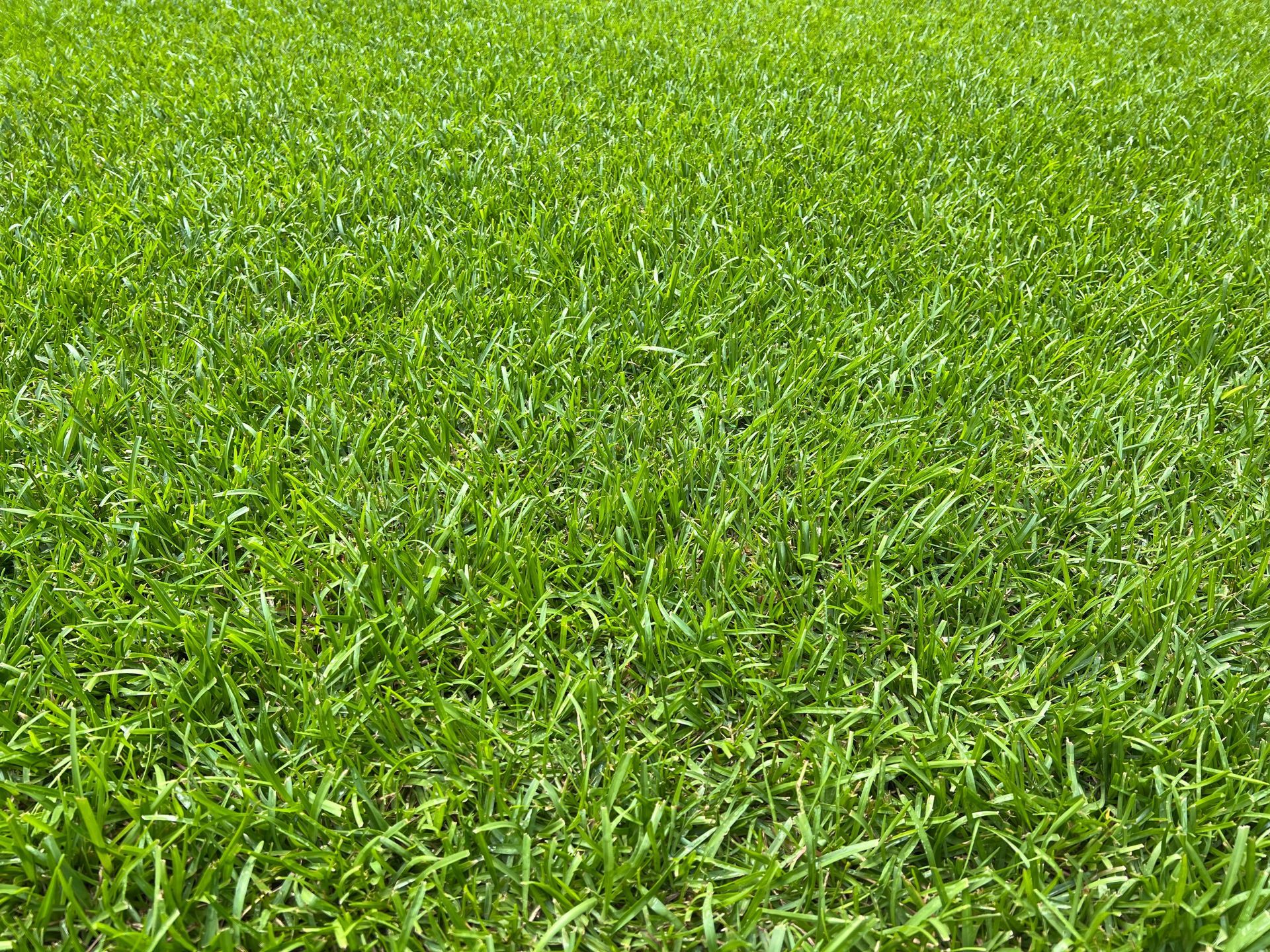
One of the most important things summer fertilization does is maintain the density that warm-season grasses need to function as a system rather than as individual plants. A thick, dense lawn is not just visually appealing. It is structurally more resilient.
Dense turf shades the soil surface, which reduces soil temperature and slows moisture evaporation during hot, dry stretches. It limits the bare or thin areas where weeds can germinate and establish. It supports a more uniform root network that distributes stress more evenly across the lawn rather than concentrating it in vulnerable patches. And it recovers from localized damage, whether from foot traffic, pest activity, or disease, more quickly than thin or uneven turf.
Fertilization alone does not create density. It supports the conditions under which warm-season grasses, given proper mowing height and adequate moisture, can develop and maintain the density they are capable of. Summer applications keep that process moving through the period when heat and stress would otherwise cause it to stall.
Timing and Application Within the Program
Turf Magic's summer fertilization treatment falls within a year-round 8-step program spaced on a 6 to 8 week cadence. That spacing is not arbitrary. It reflects the rate at which nutrients are used, the growth cycles of warm-season turf, and the seasonal pressure points that require intervention before problems develop.
A single fertilization application in June does not carry a lawn through the full summer. Nutrients are consumed by plant uptake, leached by rainfall, and broken down over time. The interval between visits is designed to ensure that the next treatment arrives before the previous one has been fully exhausted, maintaining a consistent level of nutritional support rather than cycling between abundance and deficiency.
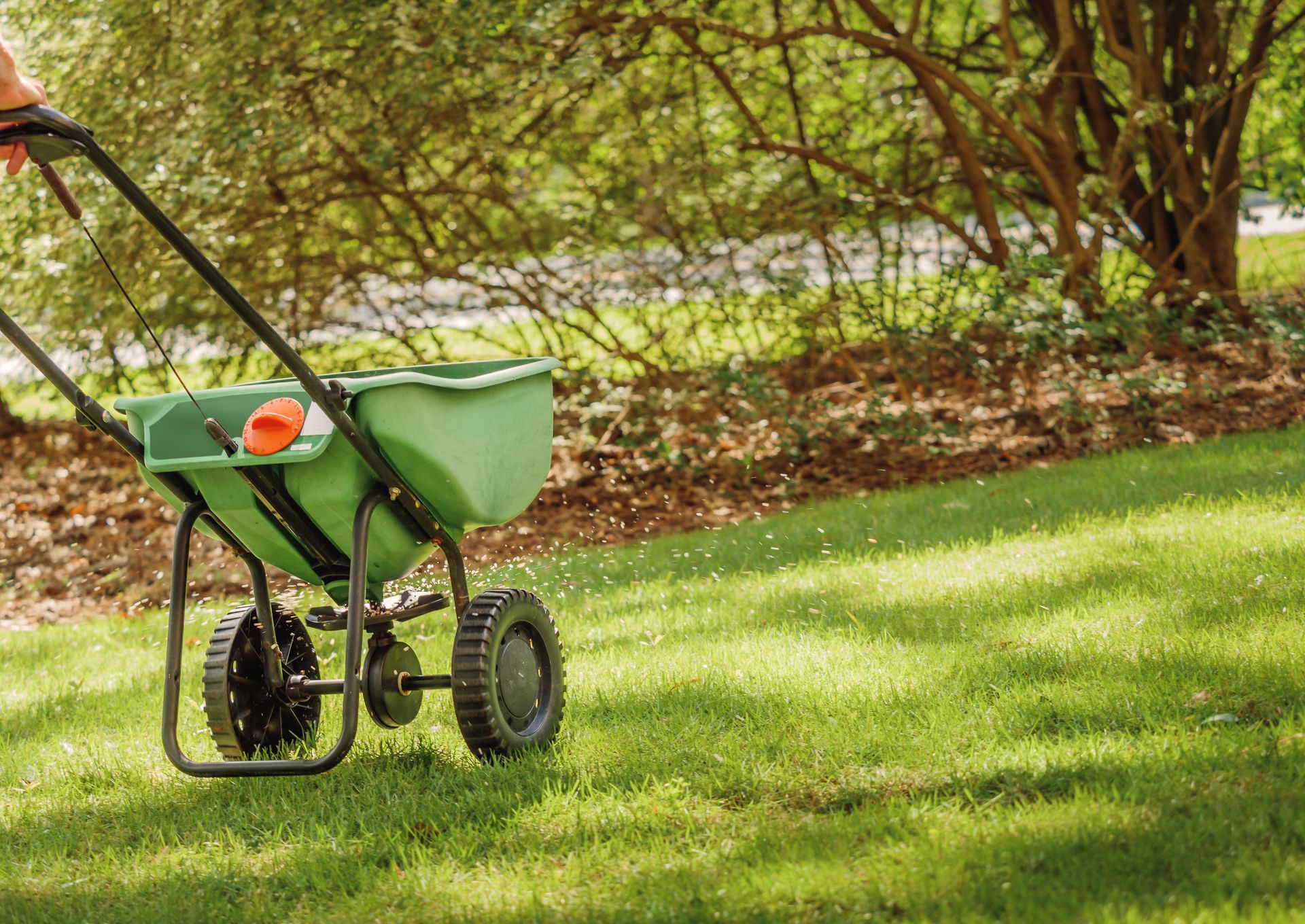
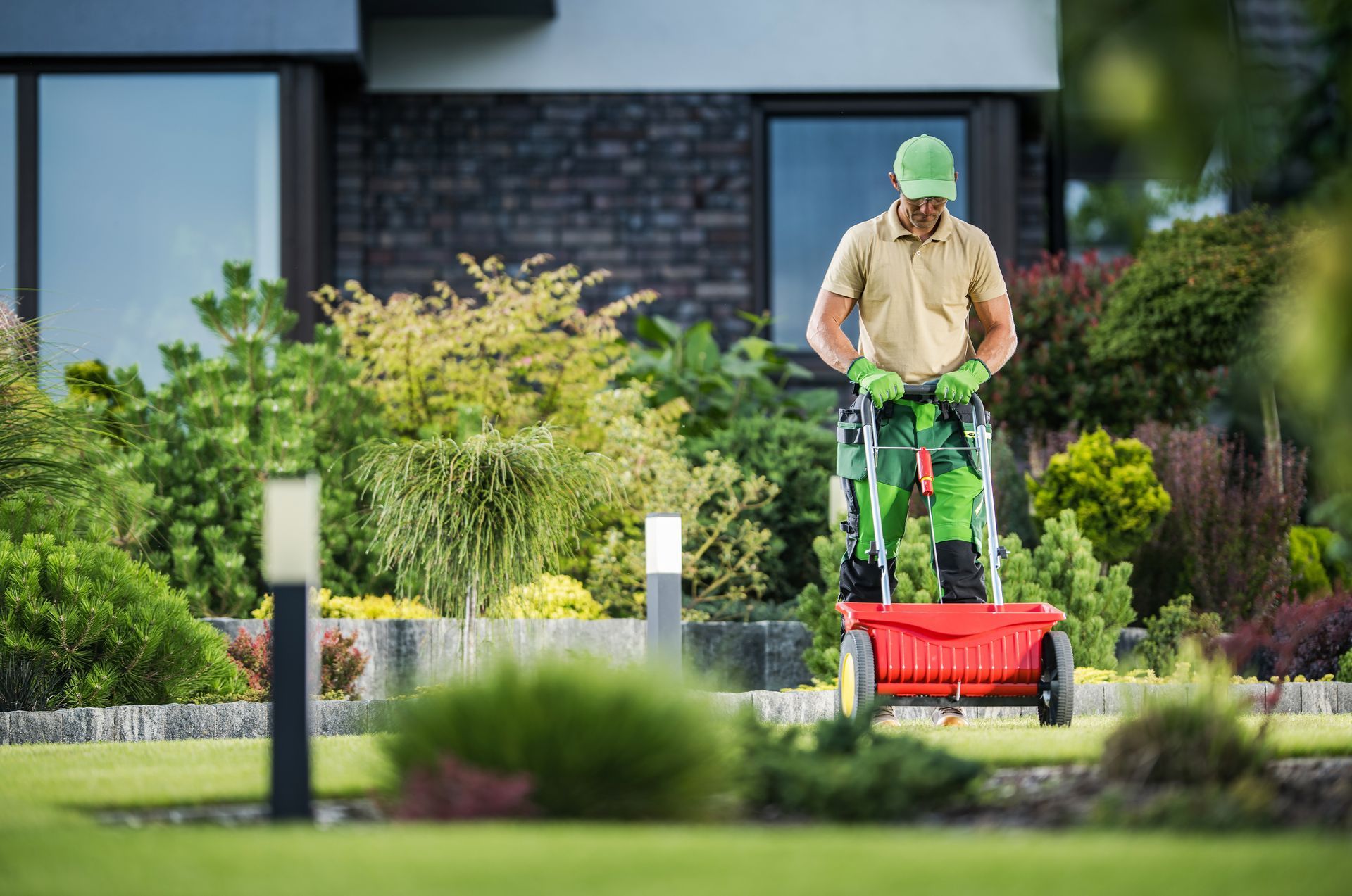
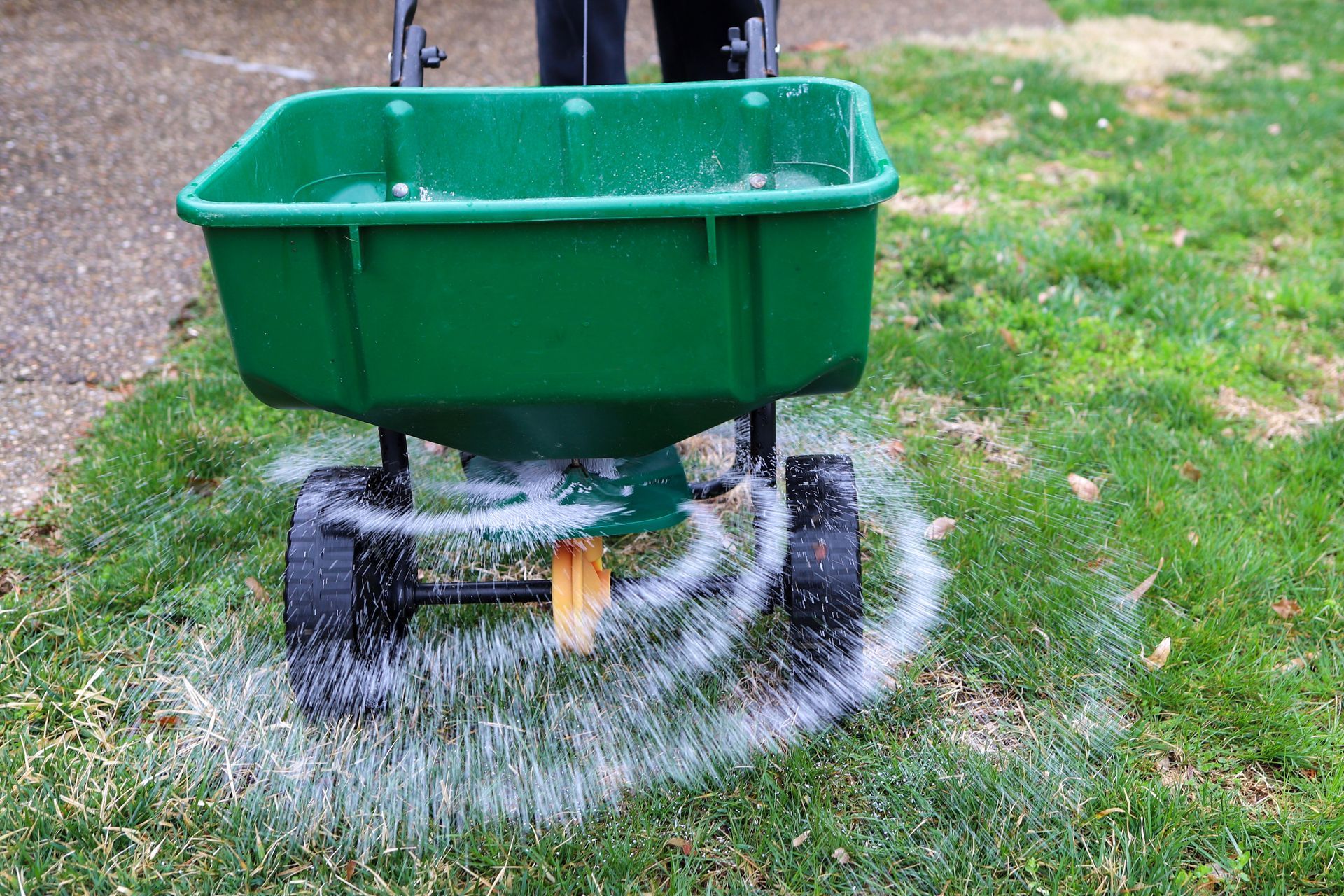
Granular fertilizers, which are used in Turf Magic's program for their controlled release characteristics, extend that window by delivering nutrients gradually rather than all at once. This reduces the risk of pushing excessive top growth during heat stress and ensures that the lawn is drawing on a steady supply rather than a single large dose.
What to Expect After a Summer Treatment
Results from summer fertilization develop over days and weeks rather than overnight. Color response to iron is often visible within a week. Density improvements build across the growing season as the turf uses the nutritional support to fill in and strengthen. Stress recovery following dry periods or heavy use happens faster in well-fertilized lawns than in those operating on depleted nutrients.
Summer is also the season when differences between lawns that are on a consistent program and those that are not become most visible. Heat and drought expose every deficiency that might be masked during the more forgiving conditions of spring. A lawn that has been receiving coordinated, timely treatments enters summer with the resources it needs to perform through the hardest months of the year.
Ready to See a New Lawn This Summer? Call Turf Magic!
If you have questions about where your lawn stands heading into summer or what Turf Magic's program includes, call us at (478) 347-0398. We are happy to walk through what your turf needs and what to expect at each stage of the season.
Frequently Asked Questions About Summer Lawn Fertilization
Is it safe to fertilize my lawn during a drought?
It depends on the severity and the product being used. Granular fertilizers with controlled-release characteristics are generally safe to apply during dry periods because they require moisture to activate and will not burn the turf the way a fast-release product might. That said, fertilization works best when the lawn has adequate soil moisture to move nutrients into the root zone. If your lawn is in severe drought stress, your technician will account for conditions before applying.
Will fertilizing my lawn in summer make it grow faster and require more mowing?
A properly formulated summer fertilizer is not designed to push rapid top growth. The nutrient balance in a summer application, particularly the ratio of nitrogen to potassium, is calibrated to support root strength and stress tolerance rather than aggressive shoot growth. You may see improved color within a week or two, but the primary effects, better density, stronger roots, and improved drought resilience, develop gradually over the weeks following treatment.
My lawn has brown patches. Will summer fertilization fix them?
It depends on what is causing them. Brown patches in summer can result from drought stress, disease, insect damage, or soil compaction, and each cause requires a different response. Fertilization supports overall turf health but will not correct an active disease infection or reverse compaction on its own. If your lawn has visible damage, it is worth having a technician evaluate the cause before the next treatment so the right intervention is applied alongside the fertilization.
How long after a summer treatment should I water my lawn?
For granular applications, watering within 24 to 48 hours helps move nutrients into the soil and activates the fertilizer. A light watering is sufficient. You do not need to saturate the lawn. If rain is forecast within a day or two of the treatment, that will generally accomplish the same thing.
Can I apply fertilizer myself between Turf Magic visits?
It is not recommended. Over-fertilizing warm-season turf, particularly with nitrogen, during summer heat can push growth the plant cannot sustain and increase disease and burn risk. The program cadence is designed to maintain a consistent nutritional level without exceeding what the turf can use effectively. Adding applications between scheduled visits disrupts that balance and can create the conditions for the problems the program is designed to prevent.