April 29, 2026
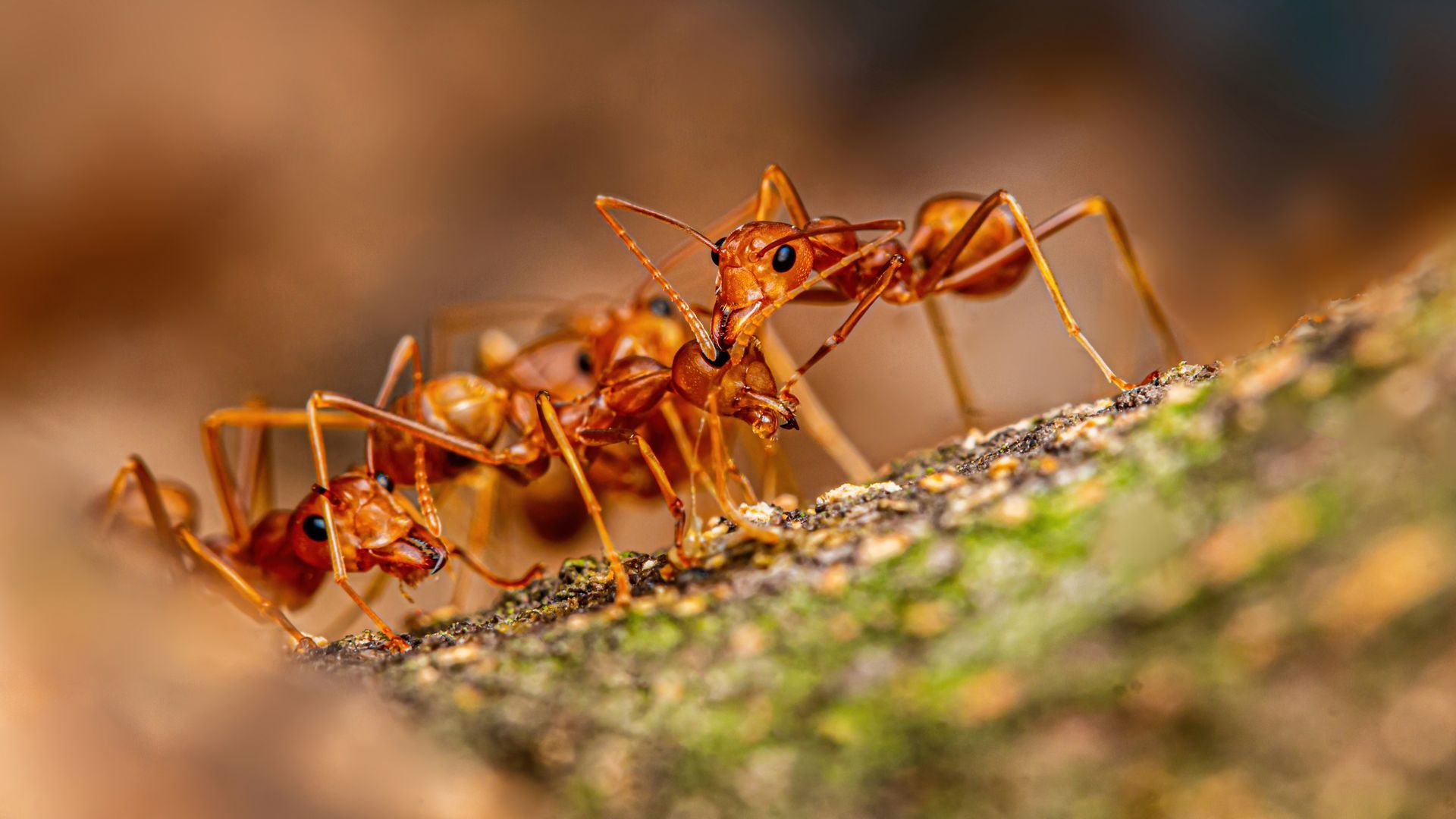
Fire ants are a familiar problem for homeowners across Middle Georgia. From Forsyth to Macon, Griffin to Peachtree City, these aggressive pests thrive in the same warm, sunny environments that support healthy turf. Their presence affects more than the appearance of your lawn. Fire ants influence how your yard is used, how safe it feels, and how well your turf performs over time. As temperatures rise in spring and summer, fire ant activity increases quickly. Mounds appear seemingly overnight, and without proper management, colonies can spread across a property in a short period of time. Professional fire ant control focuses on reducing colony activity, limiting expansion, and maintaining a lawn that remains both usable and visually appealing. Fire Ants Are Well-Adapted to Georgia's Climate Middle Georgia gives fire ants almost everything they need. Warm soil temperatures, moderate winters, and consistent rainfall support year-round survival and fuel aggressive seasonal population growth. Colonies typically build mounds in open, sunny areas where soil warms quickly, which means lawns, driveway edges, landscape bed borders, and open spaces with minimal shade are all prime targets. A single colony can contain thousands of ants, and after rainfall, new colonies can form rapidly across a property. That expansion pattern is why fire ant control is an ongoing process rather than a one-time event. Professional lawn care providers monitor seasonal activity and time their treatments accordingly, steadily reducing colony pressure across the property rather than simply reacting to visible mounds. Fire Ants Create Safety Concerns for Families and Pets When a fire ant mound is disturbed, the colony responds fast and in force. Their stings produce a burning sensation followed by small, raised welts, and because the ants act in a coordinated swarm, multiple stings can occur within seconds. For households with children or pets, that risk becomes a primary concern. A child running through the yard, a dog nosing around a mound, or even a routine mowing pass can trigger an aggressive response. In some individuals, fire ant stings cause serious allergic reactions that require immediate medical attention. Professional fire ant control reduces the number of active colonies across the property. No outdoor environment is entirely free of insect activity, but managed lawns present far fewer high-risk situations than untreated ones. Fire Ant Mounds Disrupt Lawn Appearance and Usability Beyond the safety risks, fire ant mounds are simply a nuisance to live with. They create uneven soil formations across the turf that interfere with mowing, create tripping hazards, and break up the uniform surface that makes a lawn enjoyable to use. In high-visibility areas like front yards or entryways, even a handful of mounds affect curb appeal noticeably. As colonies expand, mound counts grow and the disruption compounds. Consistent professional control addresses colonies as they develop, keeping the lawn surface cleaner and more polished throughout the season. Fire Ant Activity Can Influence Turf Health The damage fire ants cause is not only surface level. Their tunneling alters soil structure around active colonies, and mound construction brings loose soil to the surface that can smother turf and create thin spots. Over time, widespread activity contributes to uneven growing conditions that are difficult to correct without first addressing the colony pressure driving them. Fire ants also interact with the broader lawn ecosystem in a less obvious way. They are known to protect and cultivate pests like aphids and scale insects, which produce honeydew as a food source for the colony. Those pests cause their own damage to plants and turf, meaning a fire ant problem can quietly amplify other landscape issues at the same time. DIY Fire Ant Treatments Often Provide Temporary Relief Store-bought fire ant products are widely available, and many homeowners reach for them first. The results, however, tend to be inconsistent. The queen problem Fire ant colonies are built around a central queen. If she remains active, the colony recovers even after visible workers are reduced. Most surface treatments do not penetrate deep enough to reach her. Coverage gaps DIY treatments usually target visible mounds, leaving untreated colonies to expand into the cleared space. Reinfestation Neighboring properties and surrounding areas continually introduce new colonies, and without a property-wide approach, gains are quickly eroded. Professional services use products and application methods designed to reach deeper into the colony structure and are applied across the entire property, not just where mounds are visible. That broader coverage is what produces more lasting results. Timing and Product Selection Matter Effective fire ant management is not just about what you apply. It is about when and how. Certain bait products are most effective when ants are actively foraging, which depends on soil temperature and moisture levels. Direct mound treatments work best under different conditions and serve a different purpose. Apply the right product at the wrong time and results suffer considerably. Professional technicians evaluate soil conditions, weather patterns, and colony behavior before each application rather than following a rigid fixed schedule. That flexibility is a meaningful advantage in a climate as variable as Middle Georgia's. Fire Ant Control Works Best as Part of a Year-Round Program Turf Magic builds fire ant control into a broader lawn care program designed specifically for Middle Georgia conditions. When pest management is coordinated with fertilization and other services, turf stays stronger, soil conditions become less hospitable to new colonies, and treatments are applied consistently rather than only when the problem becomes obvious. What to Expect From Professional Fire Ant Control Professional fire ant control is not a guarantee of zero ants. Georgia lawns exist within a larger outdoor environment, and some level of insect activity is always present. What professional treatment does provide is a measurable reduction in active colonies, fewer aggressive encounters, improved lawn usability, and ongoing monitoring so that new activity is caught early rather than allowed to spread. Treatments are applied by licensed technicians who understand proper rates, product selection, and safety requirements. Throughout the process, homeowners stay informed about service timing and what to expect after each visit. Supporting a Safer, More Usable Lawn in Middle Georgia Fire ants are a persistent part of life in Georgia, but a well-managed property handles them differently than an untreated one. If ant activity is becoming more noticeable in your yard, or if you want to get ahead of it before peak season, Turf Magic can help. A consistent, well-timed program keeps your lawn safer, more comfortable, and easier to enjoy from spring through the end of the year. Request a Free Quote and Let Turf Magic Prep Your Yard for a Summer With Fewer Fire Ants