

Why Turf Magic Does Not Offer Lawn Dye Services
Homeowners care about curb appeal. A lush, green lawn creates a welcoming look and signals that a property is well-maintained. Because of that appeal, lawn dye products have gained popularity in recent years. Some companies offer lawn coloring treatments designed to temporarily darken grass, particularly during drought, winter dormancy, or periods of stress.
At first glance, lawn dye may seem like an easy way to improve a lawn’s appearance. A yard that looked dull or patchy can suddenly appear vibrant green again. Yet a deeper look reveals several drawbacks that explain why skilled turf management professionals like the ones at Turf Magic avoid offering dye services.
At Turf Magic, the focus stays on long-term lawn health rather than cosmetic shortcuts. Lawn dye can create the illusion of improvement while masking problems that deserve attention. It can also introduce risks for surfaces, homes, and overall turf management. Understanding these issues helps explain why lawn dye does not align with Turf Magic's lawn care approach.
Hidden Lawn Problems Become Harder to Detect
A lawn communicates its health through visual signals. Changes in color, density, and growth patterns provide important clues about what is happening beneath the surface. Our turf specialists rely on these cues to identify issues early and respond before they spread.
Lawn dye interferes with that diagnostic process.
Diseases, nutrient deficiencies, insect damage, and irrigation problems often appear first as subtle discoloration or uneven color patterns. A trained technician can often recognize early warning signs simply by observing how the turf looks across different sections of the yard.
When dye coats the grass blades, those warning signs become harder to detect. A fungal disease, such as brown patch, may continue spreading even though the lawn appears evenly green. Insect damage from pests like chinch bugs or armyworms may advance unnoticed beneath the colored surface.
Delayed detection can lead to more extensive damage and more expensive recovery work. Turf Magic prioritizes accurate evaluation of lawn conditions, which requires clear visibility of the turf’s natural color and growth patterns.
Cosmetic Color Does Not Improve Turf Health
Lawn dye changes appearance only. Grass physiology remains unchanged.
Healthy turf depends on several underlying factors:
- Balanced soil nutrients
- Proper fertilization timing
- Adequate moisture management
- Healthy root systems
- Consistent weed and pest control
A lawn that struggles with compacted soil, nutrient imbalance, or disease pressure needs corrective treatments that address those root causes. Coloring the grass does not improve any of these conditions.
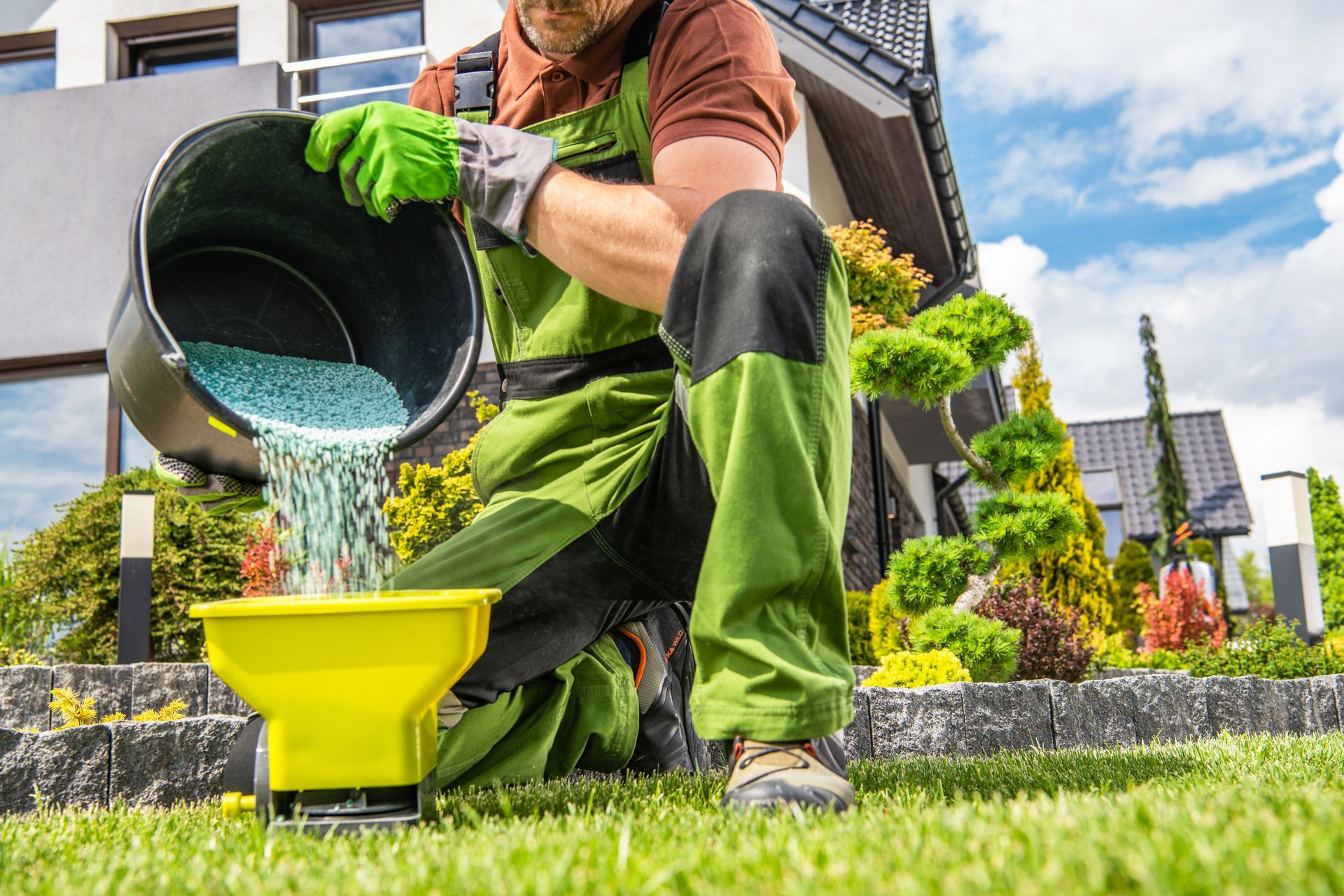
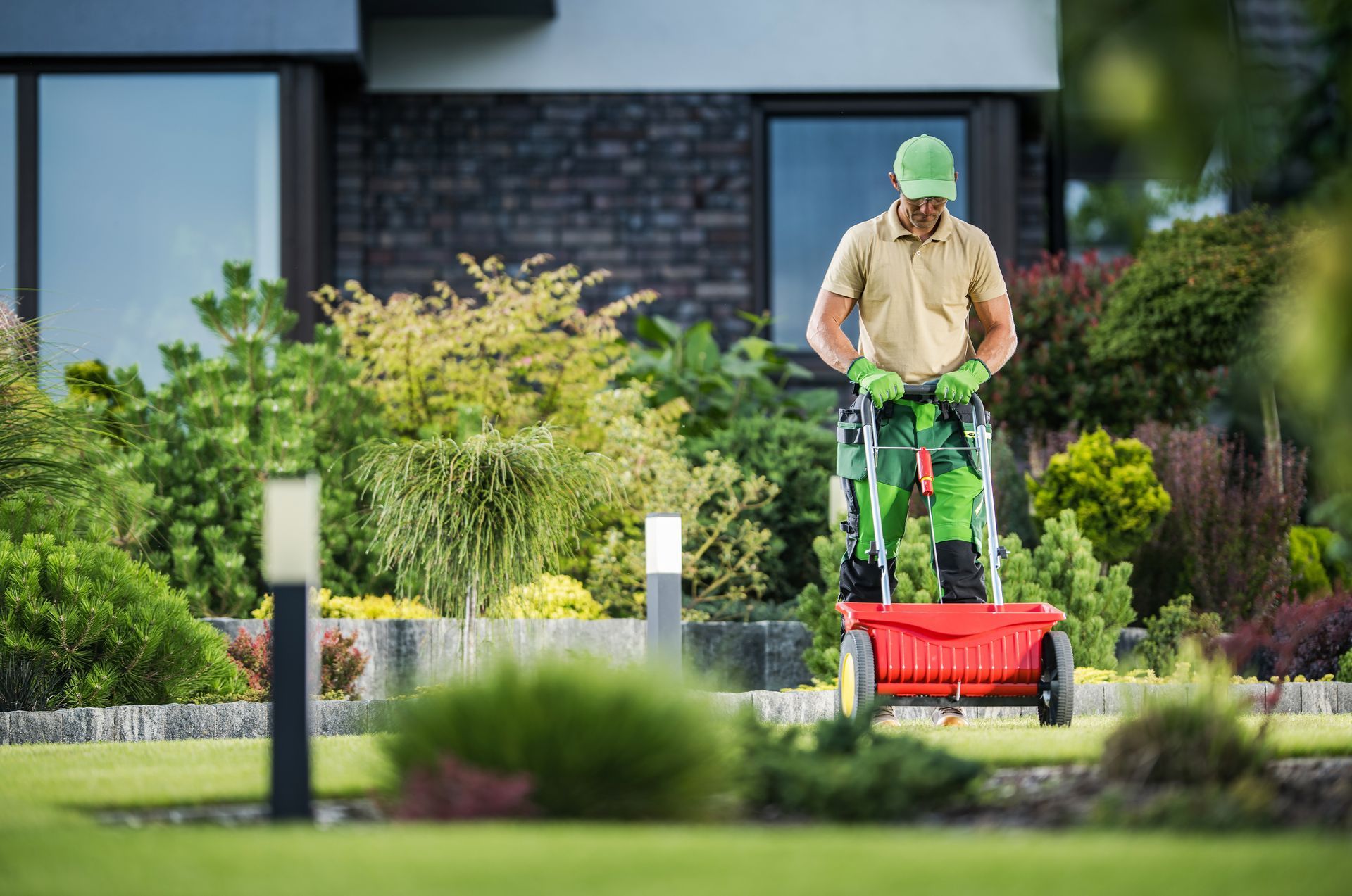
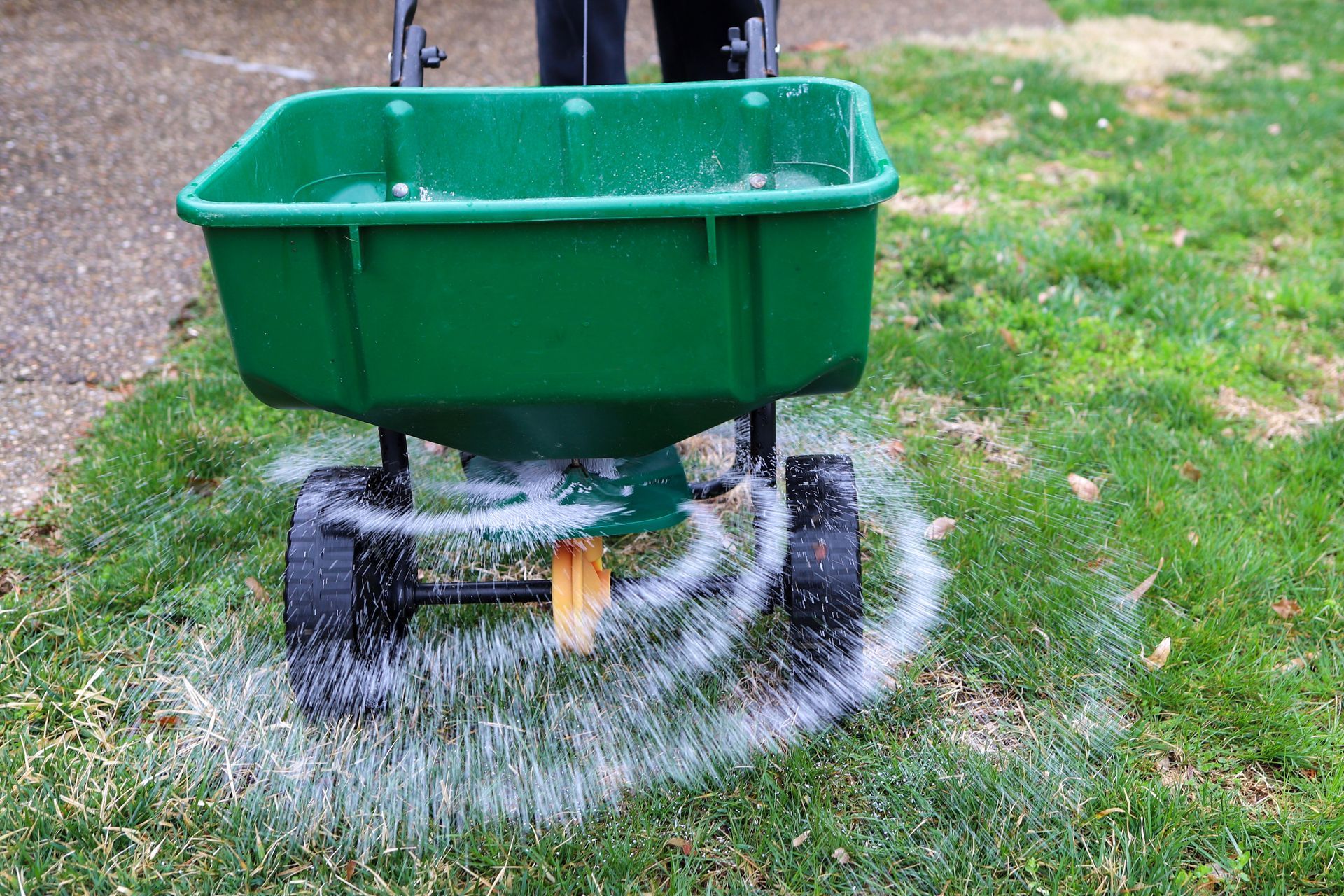
Professional turf management focuses on strengthening the lawn ecosystem. Fertilization supports nutrient availability. Aeration relieves soil compaction. Weed and pest control reduce competition and stress. Over time, these practices produce genuine color, density, and resilience.
A cosmetic dye application can temporarily create a greener appearance while underlying stress continues. Turf Magic prefers solutions that produce authentic improvements in turf health rather than surface-level changes.
Lawn Dye Can Stain Hard Surfaces Around the Property
Lawn dye products contain concentrated pigments designed to adhere to grass blades. That same pigment can also adhere to other surfaces if overspray occurs.
Driveways, sidewalks, fences, patios, and decorative stonework often sit directly beside turf areas. During application, small droplets of dye can land on these surfaces. Once the pigment dries, stains may become difficult to remove.
Pressure washing can help in some cases, but certain porous materials, such as concrete, brick, and untreated wood, may retain discoloration. In neighborhoods where curb appeal matters, staining can create unwanted visual issues around the property.
The professional lawn care providers at Turf Magic carefully consider these risks. Avoiding dye treatments removes the possibility of staining surrounding hardscape features.
Lawn Dye Can Be Tracked Into the Home
Outdoor treatments sometimes make their way indoors. Lawn dye introduces a particular risk in that regard.
After application, the pigment sits on the grass blades until it gradually weathers away. During that period, moisture from rain, irrigation, or morning dew can transfer small amounts of pigment onto shoes, pet paws, or lawn equipment.
Foot traffic from the yard into the home may carry those pigments onto indoor flooring surfaces. Carpet fibers, hardwood flooring, tile grout, and rugs can absorb color residue under certain conditions.
Interior staining presents an inconvenience that homeowners understandably want to avoid. Turf Magic’s service philosophy emphasizes treatments that remain contained within the lawn environment and do not introduce unnecessary risks to the home.
Uneven Color Can Create an Artificial Appearance
Natural grass rarely displays identical shades across every square foot. Sun exposure, soil conditions, irrigation coverage, and grass variety all influence color slightly from one section of the yard to another.
Lawn dye attempts to standardize color across the entire surface. When applied imperfectly, however, the results can appear streaky or inconsistent. Overlapping spray patterns may produce darker stripes, while missed areas remain lighter.
Even with careful application, dyed turf sometimes appears unnaturally uniform. The result can resemble painted grass rather than living turf. In neighborhoods where natural landscapes contribute to overall aesthetics, that artificial appearance can stand out.
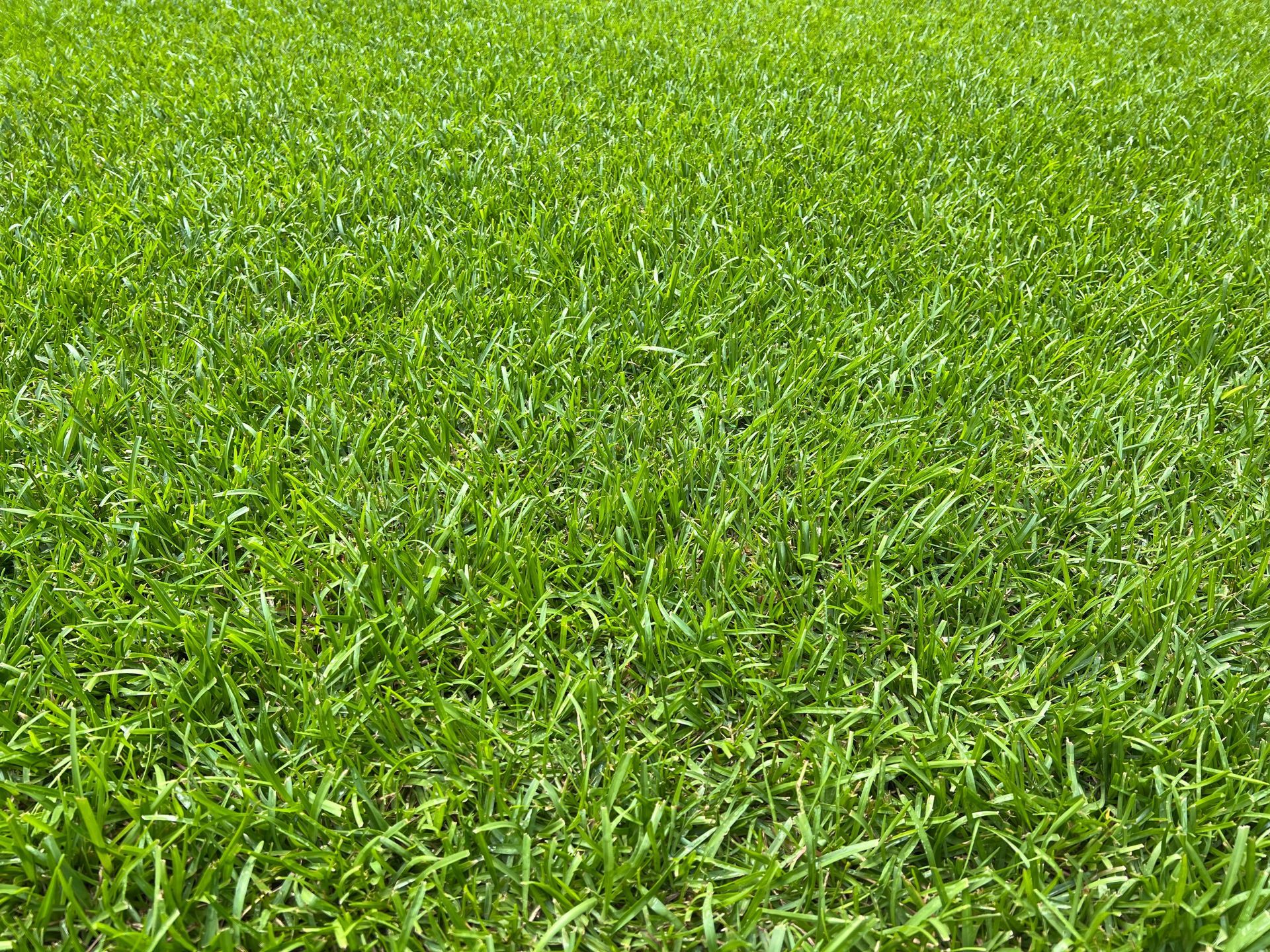
Turf Magic's programs aim to produce authentic color through balanced fertilization and healthy turf growth. Natural improvements create a visual appeal that looks consistent with living grass rather than a surface treatment.
Dye Interferes With Seasonal Turf Observation
Lawns in Middle Georgia experience seasonal transitions that help guide lawn care decisions. Warm-season grasses such as Bermuda, Zoysia, Centipede, and St. Augustine naturally change color as temperatures fluctuate.
Dormancy during cooler months often produces a tan or straw-colored appearance. While some homeowners find dormant turf less visually appealing, the color change serves as an important signal about the grass’s growth cycle.
Technicians rely on those seasonal cues when planning fertilization, weed control, and disease prevention. Artificial color can obscure those transitions, making it harder to observe how the turf responds to seasonal conditions.
Maintaining visibility into the grass's natural growth cycle helps guide the proper timing of professional treatments.
Environmental and Maintenance Considerations
Lawn dye products vary in formulation, yet many rely on synthetic pigments. While most commercial products are designed for outdoor use, repeated applications introduce additional materials into the lawn environment.
Over time, pigments gradually break down and wash into the soil during rainfall and irrigation cycles. While manufacturers formulate products to reduce environmental impact, Turf Magic prioritizes treatments that contribute directly to turf health rather than decorative coloring.
Maintenance considerations also play a role. Dye fades gradually as grass grows and blades are mowed. Uneven fading can occur if sections of the lawn grow at different rates or experience varying levels of sun exposure. Maintaining color consistency may require multiple applications throughout the year.
A program built around fertilization, soil health, and turf management delivers more stable results without the need for repeated cosmetic treatments.
Turf Magic’s Focus on Genuine Lawn Improvement
Turf Magic operates as a turf management company dedicated to long-term lawn performance, and guided by one simple goal: healthier grass, stronger roots, and consistent seasonal improvement across Middle Georgia lawns.
Professional programs address the conditions that influence turf health:
- Fertilization tailored to warm-season grasses
- Pre-emergent and post-emergent weed control
- Pest and disease monitoring
- Soil pH correction and aeration
- Integrated lawn care planning throughout the year
These practices build density, color, and resilience naturally over time. Rather than covering symptoms with surface treatments, Turf Magic works to improve the biological and environmental factors that support healthy grass growth.
The result is a lawn that earns its color through proper care rather than artificial coloring.
A Healthier Lawn Always Looks Better
A vibrant lawn reflects consistent attention to soil health, nutrient balance, and seasonal care. Those factors create genuine improvements that extend beyond appearance alone.
Lawn dye can temporarily change the color of grass, but it does not strengthen roots, improve soil health, or enhance resilience against pests and disease. Turf Magic chooses to invest effort where it produces the greatest long-term value for homeowners.
For property owners across Middle Georgia who want lawns that look healthy because they truly are healthy, Turf Magic remains focused on professional turf management practices that deliver lasting results.
If you would like to learn more about Turf Magic’s lawn fertilization and turf health programs, our team is always happy to help evaluate your lawn and discuss the best path forward for long-term improvement.
Request a Free Quote and Get Real, Natural Beauty for Your Lawn: 478-347-0398
Your lawn grows better when it is managed by professionals who understand what it needs and when it needs it.