

Expert Solutions from Turf Magic for Drought, Weeds & Insects

Stay ahead of summer stress with Turf Magic’s proven treatments for dry lawns, disease prevention, and pest control.
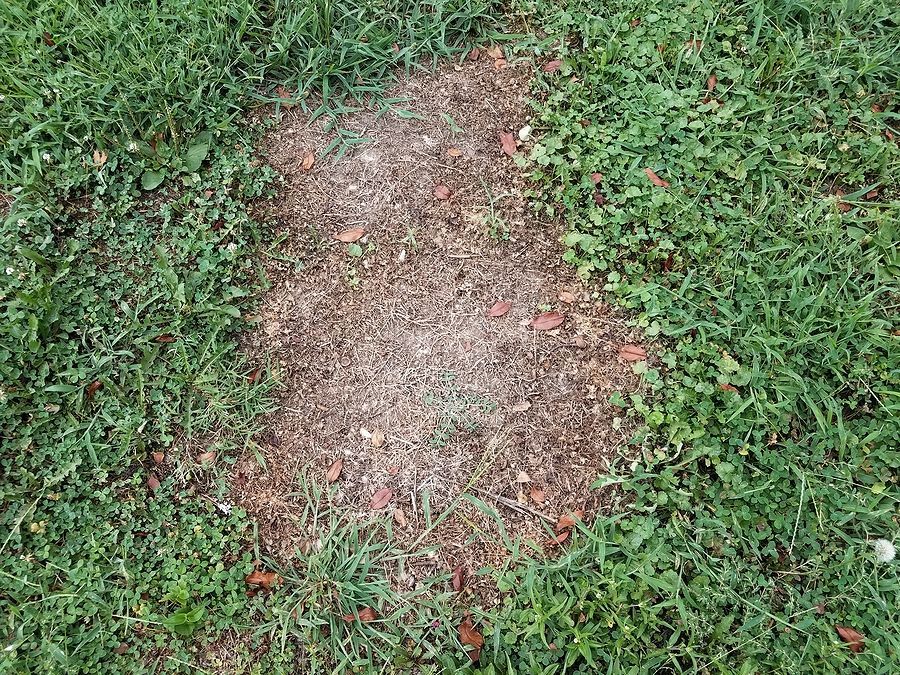
Circular brown patch of dead grass surrounded by healthy green lawn, showing signs of lawn disease.

While summer showers occasionally roll through Georgia, July is more often marked by heat and drought—not rain. That means lawns face serious stress from dry conditions, extreme temperatures, and increased pest pressure. If you’re seeing thin turf, brown patches, or weeds taking over, your lawn is likely crying out for help.

That’s where Turf Magic steps in.

Our professional turf care programs are designed to keep your lawn looking its best—even during Georgia’s hottest months. Whether you live in Macon, Forsyth, Perry, Warner Robins, or anywhere in Middle Georgia, we’re here to protect your lawn from summer stress and deliver reliable results, no matter the weather.


Understanding Your Lawn’s Water Needs


Most lawns need 1 to 1.5 inches of water per week, including rainfall. In July, that can be tough to achieve naturally—especially during prolonged dry spells. But while under-watering is a concern, overwatering from sporadic storms can cause its own problems, like:

  • Shallow roots that make turf vulnerable to future heat and drought
  • Soggy soil that leads to compaction and root-rotting disease
  • Runoff that washes away nutrients before your lawn can use them

Turf Magic doesn’t irrigate your lawn, but we monitor local weather patterns and adjust our treatment schedules to account for rainfall or drought. Our goal is to deliver what your lawn needs—nothing more, nothing less.


Preventing Lawn Diseases Like Brown Patch and Dollar Spot


Georgia summers bring hot, humid conditions that are perfect for turf diseases like brown patch, dollar spot, and pythium—especially in Bermuda and Zoysia lawns. Turf Magic technicians are trained to recognize early signs such as:

  • Discolored or circular brown patches
  • Lesions on grass blades
  • Greasy or slimy spots after rain


We respond fast with targeted fungicide applications and help correct the underlying issues—like poor drainage or overly compacted soil—to ensure the disease doesn’t return.


Feeding Your Lawn Without Losing Nutrients to Runoff


A healthy lawn needs consistent nutrients to stay strong and resilient. But sudden summer rains can leach fertilizer from the soil, leaving your turf weak and hungry.

Turf Magic uses slow-release fertilizers that withstand unpredictable weather. And if a heavy downpour affects your results, don’t worry—we stand behind our service and we’ll come back and fix it at no cost to you.


Controlling Weeds That Thrive in Summer


Weeds love weak turf—and drought stress gives them an open door. In July, we see a spike in:

  • Broadleaf weeds like clover, spurge, and chickweed
  • Grassy weeds like crabgrass and nutsedge

Turf Magic takes a proactive approach to weed control, including:

  • Pre-emergent treatments to stop germination
  • Post-emergent sprays to eliminate breakthrough growth
  • Regular monitoring to catch and treat issues early
  • Free quality control visits if you notice anything between scheduled treatments

We make sure your lawn stays healthy, vibrant, and weed-free, even in extreme weather.


Protecting Against Turf-Damaging Insects


Armyworms thrive in warm, moist soil, while chinch bugs prefer hot, dry, sunny conditions. Both can quickly devastate large patches of turf by feeding on grass blades or roots. Meanwhile, grubs (especially in their Japanese beetle stage) can destroy not just turf, but your trees, roses, and other landscape plants.


Turf Magic offers preventative and curative insect control, along with professional scouting during peak pest season. Our licensed technicians know exactly when and where to apply treatments for maximum protection.
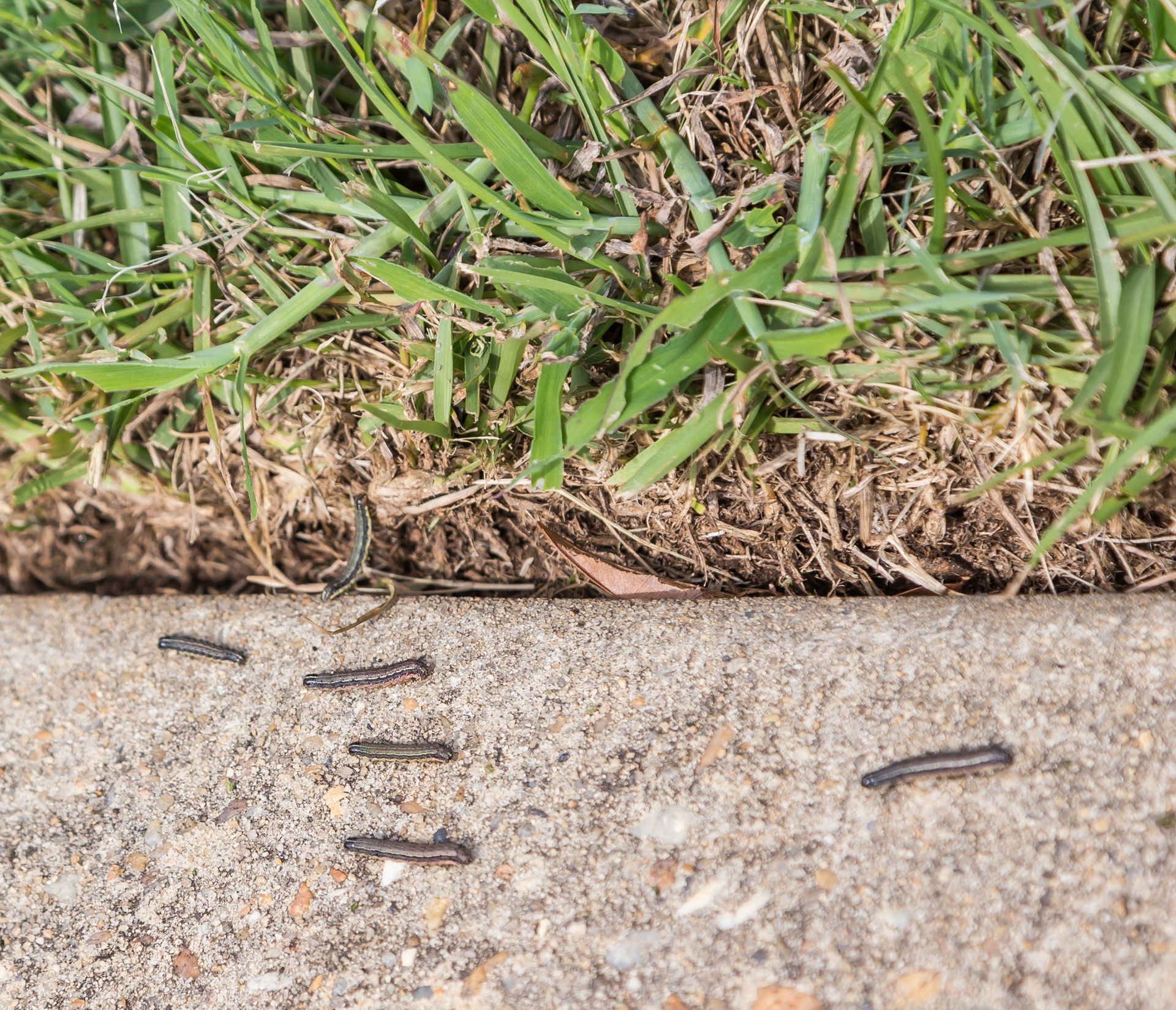


Army worms crawling along a concrete edge next to a grass lawn, indicating a lawn pest infestation.

Avoiding Soil Compaction and Drainage Issues

Soil compaction is a hidden threat in summer—especially when heat, foot traffic, and storms combine. Compacted soil blocks airflow, traps heat, and limits root growth.


While Turf Magic doesn’t perform core aeration directly, we can recommend it when needed and refer you to trusted local providers. We also partner with companies who specialize in drainage and irrigation solutions—and we’d be happy to introduce you.


Why Turf Care in Summer Requires a Professional Touch


Anyone can spread fertilizer or spray weeds. But professional turf care means responding to real-time conditions, not just following a calendar. It takes:

  • Understanding local soil types (like Georgia’s famous red clay)
  • Knowing how different grass varieties respond to drought, disease, and pests
  • Adjusting treatments based on weather, turf health, and your goals

At Turf Magic, we don’t take shortcuts. We diagnose, adjust, and treat your lawn like it’s our own.


Let Turf Magic Help Your Lawn Shine—Rain or Shine


Your lawn doesn’t get the summer off—and neither do we. Whether July brings rain or drought, Turf Magic is ready to help your lawn stay healthy, green, and protected.


If you’re tired of battling brown spots, weeds, or pests—or just want peace of mind—give us a call.


Contact Turf Magic today for a free lawn evaluation.


We’ll build a custom treatment plan based on Georgia’s unique climate, and help your lawn thrive all season long.


June 26, 2026
How you mow in summer has more impact on turf health than most homeowners realize. Turf Magic offers tips for mowing to help keep your lawn healthy.
June 26, 2026
Heat, drought, and humidity put real demands on Middle Georgia lawns in June and July. Learn what a summer fertilization treatment contains.
June 23, 2026
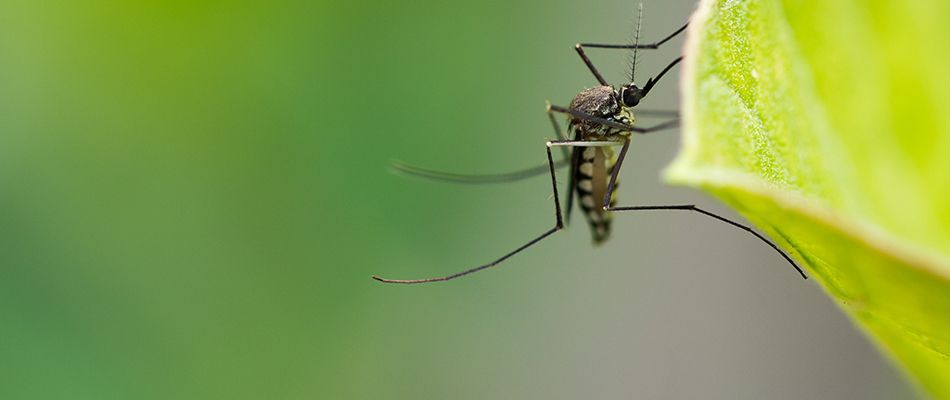
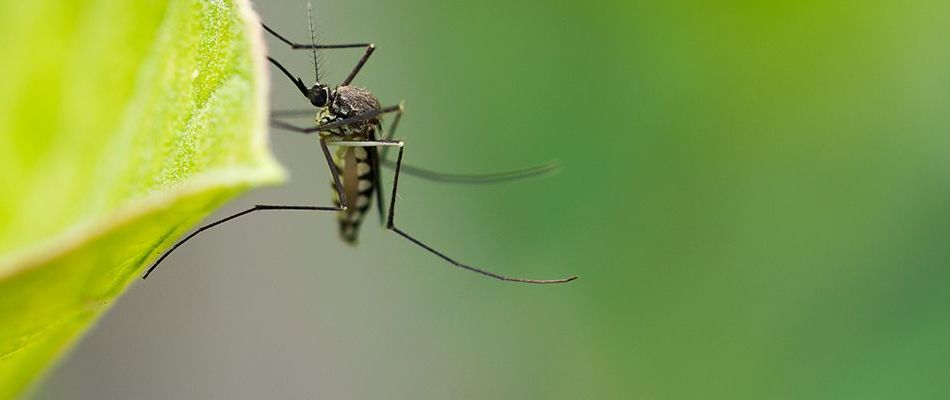
DIY mosquito products can knock down adult populations, but rarely address breeding sites. Learn what separates temporary relief from sustained mosquito control.
April 29, 2026
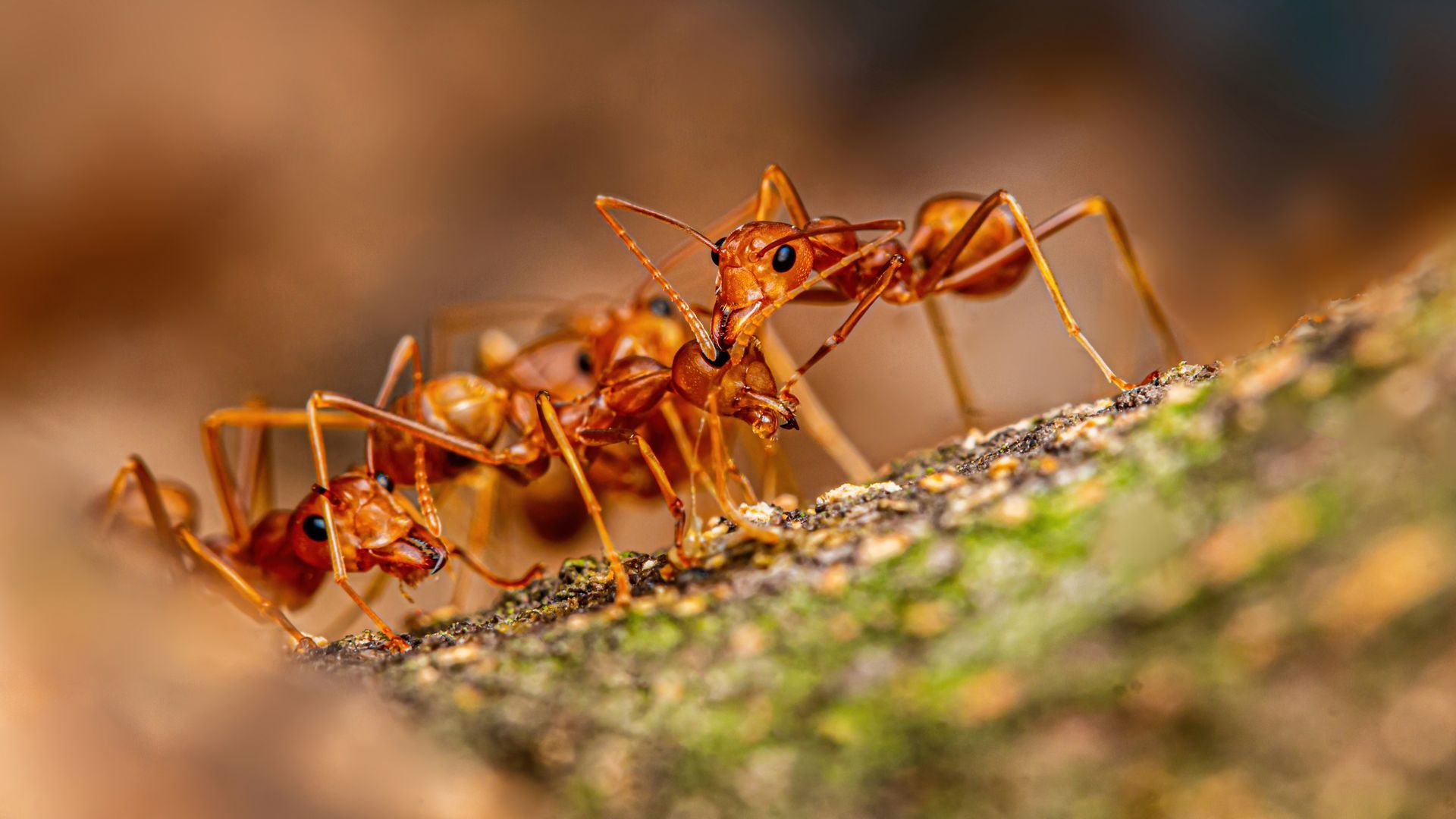
Fire ants are a familiar problem for homeowners across Middle Georgia. From Forsyth to Macon, Griffin to Peachtree City, these aggressive pests thrive in the same warm, sunny environments that support healthy turf. Their presence affects more than the appearance of your lawn. Fire ants influence how your yard is used, how safe it feels, and how well your turf performs over time. As temperatures rise in spring and summer, fire ant activity increases quickly. Mounds appear seemingly overnight, and without proper management, colonies can spread across a property in a short period of time. Professional fire ant control focuses on reducing colony activity, limiting expansion, and maintaining a lawn that remains both usable and visually appealing. Fire Ants Are Well-Adapted to Georgia's Climate Middle Georgia gives fire ants almost everything they need. Warm soil temperatures, moderate winters, and consistent rainfall support year-round survival and fuel aggressive seasonal population growth. Colonies typically build mounds in open, sunny areas where soil warms quickly, which means lawns, driveway edges, landscape bed borders, and open spaces with minimal shade are all prime targets. A single colony can contain thousands of ants, and after rainfall, new colonies can form rapidly across a property. That expansion pattern is why fire ant control is an ongoing process rather than a one-time event. Professional lawn care providers monitor seasonal activity and time their treatments accordingly, steadily reducing colony pressure across the property rather than simply reacting to visible mounds. Fire Ants Create Safety Concerns for Families and Pets When a fire ant mound is disturbed, the colony responds fast and in force. Their stings produce a burning sensation followed by small, raised welts, and because the ants act in a coordinated swarm, multiple stings can occur within seconds. For households with children or pets, that risk becomes a primary concern. A child running through the yard, a dog nosing around a mound, or even a routine mowing pass can trigger an aggressive response. In some individuals, fire ant stings cause serious allergic reactions that require immediate medical attention. Professional fire ant control reduces the number of active colonies across the property. No outdoor environment is entirely free of insect activity, but managed lawns present far fewer high-risk situations than untreated ones. Fire Ant Mounds Disrupt Lawn Appearance and Usability Beyond the safety risks, fire ant mounds are simply a nuisance to live with. They create uneven soil formations across the turf that interfere with mowing, create tripping hazards, and break up the uniform surface that makes a lawn enjoyable to use. In high-visibility areas like front yards or entryways, even a handful of mounds affect curb appeal noticeably. As colonies expand, mound counts grow and the disruption compounds. Consistent professional control addresses colonies as they develop, keeping the lawn surface cleaner and more polished throughout the season. Fire Ant Activity Can Influence Turf Health The damage fire ants cause is not only surface level. Their tunneling alters soil structure around active colonies, and mound construction brings loose soil to the surface that can smother turf and create thin spots. Over time, widespread activity contributes to uneven growing conditions that are difficult to correct without first addressing the colony pressure driving them. Fire ants also interact with the broader lawn ecosystem in a less obvious way. They are known to protect and cultivate pests like aphids and scale insects, which produce honeydew as a food source for the colony. Those pests cause their own damage to plants and turf, meaning a fire ant problem can quietly amplify other landscape issues at the same time. DIY Fire Ant Treatments Often Provide Temporary Relief Store-bought fire ant products are widely available, and many homeowners reach for them first. The results, however, tend to be inconsistent. The queen problem Fire ant colonies are built around a central queen. If she remains active, the colony recovers even after visible workers are reduced. Most surface treatments do not penetrate deep enough to reach her. Coverage gaps DIY treatments usually target visible mounds, leaving untreated colonies to expand into the cleared space. Reinfestation Neighboring properties and surrounding areas continually introduce new colonies, and without a property-wide approach, gains are quickly eroded. Professional services use products and application methods designed to reach deeper into the colony structure and are applied across the entire property, not just where mounds are visible. That broader coverage is what produces more lasting results. Timing and Product Selection Matter Effective fire ant management is not just about what you apply. It is about when and how. Certain bait products are most effective when ants are actively foraging, which depends on soil temperature and moisture levels. Direct mound treatments work best under different conditions and serve a different purpose. Apply the right product at the wrong time and results suffer considerably. Professional technicians evaluate soil conditions, weather patterns, and colony behavior before each application rather than following a rigid fixed schedule. That flexibility is a meaningful advantage in a climate as variable as Middle Georgia's. Fire Ant Control Works Best as Part of a Year-Round Program Turf Magic builds fire ant control into a broader lawn care program designed specifically for Middle Georgia conditions. When pest management is coordinated with fertilization and other services, turf stays stronger, soil conditions become less hospitable to new colonies, and treatments are applied consistently rather than only when the problem becomes obvious. What to Expect From Professional Fire Ant Control Professional fire ant control is not a guarantee of zero ants. Georgia lawns exist within a larger outdoor environment, and some level of insect activity is always present. What professional treatment does provide is a measurable reduction in active colonies, fewer aggressive encounters, improved lawn usability, and ongoing monitoring so that new activity is caught early rather than allowed to spread. Treatments are applied by licensed technicians who understand proper rates, product selection, and safety requirements. Throughout the process, homeowners stay informed about service timing and what to expect after each visit. Supporting a Safer, More Usable Lawn in Middle Georgia Fire ants are a persistent part of life in Georgia, but a well-managed property handles them differently than an untreated one. If ant activity is becoming more noticeable in your yard, or if you want to get ahead of it before peak season, Turf Magic can help. A consistent, well-timed program keeps your lawn safer, more comfortable, and easier to enjoy from spring through the end of the year. Request a Free Quote and Let Turf Magic Prep Your Yard for a Summer With Fewer Fire Ants 
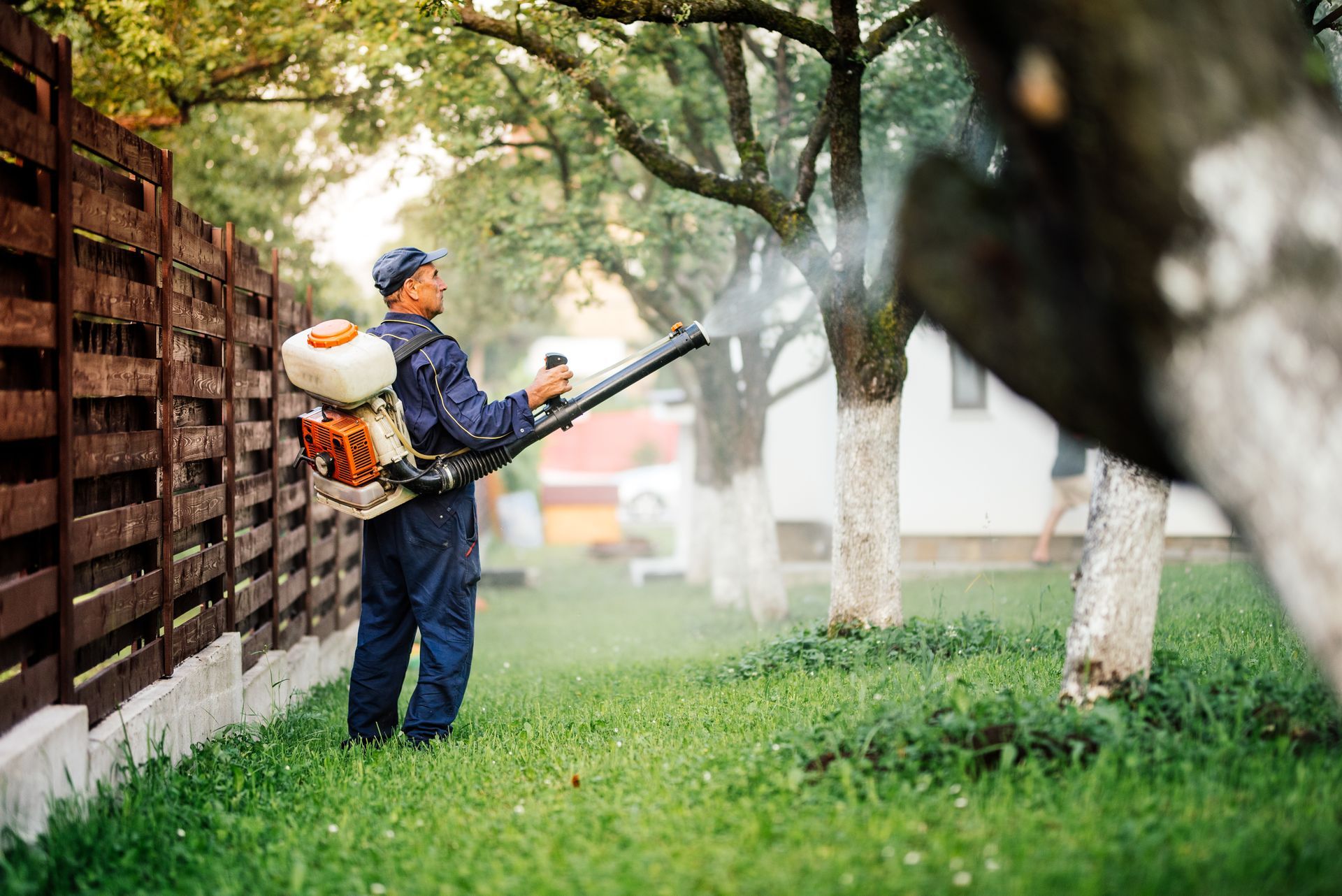
A pest control expert mists a homeowner's trees with pesticides
April 15, 2026
Planning mosquito control in spring helps reduce breeding sites, protect your yard early, and make summer outdoor time far more enjoyable in Middle Georgia.
March 18, 2026
Learn why Turf Magic avoids lawn dye services. Discover how turf coloring can hide lawn problems, stain surfaces, and create issues that real turf care solutions prevent.
March 13, 2026
Discover 6 reasons professional mosquito control improves comfort for Georgia lawns. Reduce mosquito populations and enjoy more of your spring and summer outdoors.
healthy grass
February 13, 2026
Centipede grass has a reputation as a low-maintenance option, especially across Middle Georgia and the South. Homeowners like its slow growth, lighter green color, and ability to survive with fewer inputs than other warm-season grasses. That reputation is earned, but centipede grass has a narrow margin for error. The same traits that make it appealing also make it easy to damage through improper fertilization. Professional lawn management companies treat centipede lawns very differently from Bermuda, Zoysia, or St. Augustine. The goal focuses on preservation, balance, and long-term soil health rather than aggressive growth. Understanding that approach explains why professional care consistently outperforms generic fertilization schedules. Centipede Grass Has Unique Nutritional Limits Centipede grass is often described as a "low nitrogen" turf, but that description only scratches the surface. Centipede evolved to survive in nutrient-poor soils, particularly acidic soils typical throughout the Southeast. Excess fertilizer forces the grass to grow beyond what it is built to sustain. Professional turf managers account for several centipede-specific traits before selecting any fertilizer: · Slow growth rate that limits nutrient uptake · A shallow root system that increases sensitivity to burn · Preference for acidic soil conditions · High susceptibility to iron deficiency and centipede decline These factors shape every decision in a professional fertilization program. The objective is to support existing turf health while avoiding stress that triggers decline. Soil Testing Guides Every Fertilization Decision Professional care begins beneath the grass blades. Centipede lawns are especially sensitive to soil pH and nutrient imbalances, making soil testing a critical step. Technicians evaluate: · Soil pH · Existing nitrogen and phosphorus levels · Potassium availability for stress tolerance · Iron availability, which strongly influences color Many centipede lawns already contain sufficient phosphorus, and additional phosphorus can contribute to thatch buildup and root stress. A professional fertilization plan avoids blanket applications and tailors nutrient inputs to documented soil conditions. Nitrogen Is Applied Sparingly and Strategically Nitrogen drives top growth, but centipede grass responds poorly to excess nitrogen. Overapplication leads to rapid blade growth without root support, increasing disease pressure and triggering centipede decline syndrome. Centipede decline syndrome is an often-fatal condition for centipede lawns in which otherwise-healthy lawns suddenly develop large dead or yellowing patches. Decline usually shows up in spring, and is often caused by excess nitrogen in the soil. Lawn management companies follow strict nitrogen guidelines for centipede grass: · Low annual nitrogen totals · Applications are limited to active growing periods · Slow-release nitrogen sources to prevent spikes · Extended intervals between feedings Instead of chasing a dark green color, professionals prioritize density, uniform coverage, and steady growth. The lighter green appearance associated with healthy centipede grass remains a sign of success rather than a problem to be aggressively corrected. Proper Irrigation Is Essential Unlike Bermuda and Zoysia, Centipede turf has a shallow root zone. The shallow root growth is best supported with more frequent irrigation cycles for shorter periods of time. Depending on the time of year and environmental conditions, start with watering 3 times a week for 20 minutes per zone. As heat increases during the growing season, you may need to alter your irrigation. Schedule to ensure that the turf is well hydrated. Timing is very important. When the turf stays wet for an extended period of time, it becomes more susceptible to disease. No matter your turf type, early morning irrigation cycles yield the best results. This allows the soil to absorb the water before temperatures increase, and hydrates the turf before the heat of the day. This also provides plenty of time for the turf to dry before the evening hours. Remember, anytime the grass blades are wet for an extended period (8-10 hours), it is much more susceptible to being infected by disease. Large Patch, Large Problem in Centipede Lawns Large Patch Disease (Rhizoctonia) is a disease that often affects Centipede turf in middle Georgia. It is caused by improper fertilization, improper irrigation, and uncontrollable environmental stresses such as high humidity and late afternoon rain showers. Professional solutions include: · Preventative fungicide treatments prior to disease pressure · Proper nutrient input to build the turf’s ability to resist disease pressure · Core and Liquid Aerations to reduce soil compaction and increase root development. · Proper mowing to control thatch build-up · Poper irrigation early morning times so the turf is hydrated during the heat of the day. Iron Plays a Larger Role Than Nitrogen Color management for centipede lawns relies heavily on iron rather than nitrogen. Iron enhances its green color without stimulating excessive growth, which aligns with centipede’s biological limits. Professional lawn care programs often include: · Chelated iron in liquid applications · Iron sulfate blends designed for acidic soils · Seasonal iron treatments during peak growth Iron deficiency commonly appears as yellowing, or chlorosis, even when nitrogen levels are adequate. Lawn management professionals recognize the symptom and address it without increasing nitrogen, which prevents long-term damage. Granular and Liquid Fertilizers Serve Different Purposes Professional turf managers use both granular and liquid fertilizers on centipede lawns, but selection depends on timing and turf condition. Granular Fertilizer Use on Centipede Lawns Granular products are chosen carefully and applied at low rates. Slow-release formulations provide controlled feeding without overwhelming the turf. Granular fertilizer supports: · Early summer maintenance feeding · Stable nutrient release during consistent growth · Reduced risk of nutrient shock Liquid Fertilizer Use on Centipede Lawns Liquid fertilizers offer precise control and are often preferred for centipede, particularly when applying iron or correcting minor deficiencies. Liquid applications allow: · Uniform coverage at low nutrient levels · Faster correction of visible deficiencies · Integration with weed control treatments Professional equipment ensures accurate calibration, which matters greatly when application margins are narrow. Timing Protects Centipede From Seasonal Stress Centipede grass enters and exits dormancy more slowly than other warm-season grasses. Fertilization outside the proper window weakens turf and increases the risk of disease. Centipede turf is easily killed when exposed to herbicides during transition. Lawn management companies typically follow a conservative seasonal schedule: Late Spring The first light feeding supports early growth after full green-up. Nitrogen rates remain minimal, often paired with iron and potassium to aid with disease resistance. Early to Mid-Summer One maintenance application sustains coverage and color during peak growth without encouraging excessive blade production. Again, providing potassium and other nutrients to support the turf during the summer heat and drought stress conditions. Late Summer Fertilization slows or stops depending on turf health and weather patterns. Stress management becomes the priority. The turf’s color is supported with iron and nutrients rather than nitrogen. Fall and Winter No nitrogen applications occur. Focus shifts to weed prevention and soil balance rather than feeding. This disciplined timing prevents forced growth during heat stress or dormancy transitions. pH Management Matters More Than Fertilizer Volume Centipede grass thrives in acidic soil, and improper liming causes long-term damage. Many lawn problems attributed to fertilization are actually due to pH issues. Professional lawn care providers: · Avoid routine lime applications on centipede lawns · Apply lime only when soil tests confirm extreme acidity · Monitor pH changes over time Raising soil pH too high reduces iron availability and contributes to decline symptoms. Professional oversight prevents well-intentioned but harmful corrections. Weed Control Is Integrated With Fertilization Centipede grass spreads slowly and struggles to recover from weed pressure. Lawn management companies integrate fertilization with proactive weed control to protect turf density with the turf’s health in mind. An integrated approach includes: · Pre-emergent weed control timed to soil temperatures · Targeted post-emergent treatments that are safe for centipede when turf isn’t in transition. · Nutrient timing that supports turf recovery after weed suppression Fertilization alone does not strengthen centipede lawns. Coordination with weed management preserves coverage and reduces competition stress. Professional Programs Emphasize Observation and Adjustment Centipede lawns require ongoing observation. Subtle changes in color, growth rate, or density often signal nutrient imbalance or environmental stress. Professional technicians evaluate lawns at every visit, adjusting: · Application rates · Product selection · Treatment timing · Supplemental micronutrients This adaptability separates professional care from fixed schedules. Centipede grass benefits from restraint guided by observation rather than rigid formulas. Why Centipede Lawns Respond Better to Professional Care Centipede grass rewards precision and punishes excess. Lawn management companies succeed because they understand the narrow window where centipede thrives. Professional care delivers: · Balanced nutrition aligned with centipede biology · Reduced risk of Centipede decline and disease damage · Consistent density without forced growth · Long-term soil health protection Homeowners often damage centipede lawns with good intentions, particularly through over-fertilization and improper irrigation. Professional programs remove reduce that risk by managing inputs conservatively and strategically. Supporting Healthy Centipede Lawns in Middle Georgia Centipede grass can be a durable, attractive lawn when managed correctly, especially in Middle Georgia’s climate and soils. Professional lawn management companies approach centipede fertilization with restraint, planning, and constant evaluation. The result is a lawn that maintains coverage, resists stress, and avoids the decline patterns commonly seen with aggressive feeding. Centipede lawns succeed when they are supported rather than pushed, which explains why expert care remains the most reliable path to long-term health. For homeowners with centipede grass who want stable results and fewer setbacks, professional fertilization programs provide clarity, consistency, and protection through every season. Request a Free Quote and Let Turf Magic Give Your Grass the Right Diet at the Right Time: 478-347-0398 Your lawn grows better when it is managed by professionals who understand what it needs and when it needs it.
A professional uses a walk-behind distributor to fertilize a lawn
January 14, 2026
See how lawn care professionals determine how often to fertilize lawns. This article explains Turf Magic’s 8-step program and why fewer, timed visits deliver better results.
A lawncare professional distributes fertilizer on a customer's lawn
December 12, 2025
A detailed look at how turf management professionals fertilize lawns and why this process delivers stronger, greener, and more resilient turf.